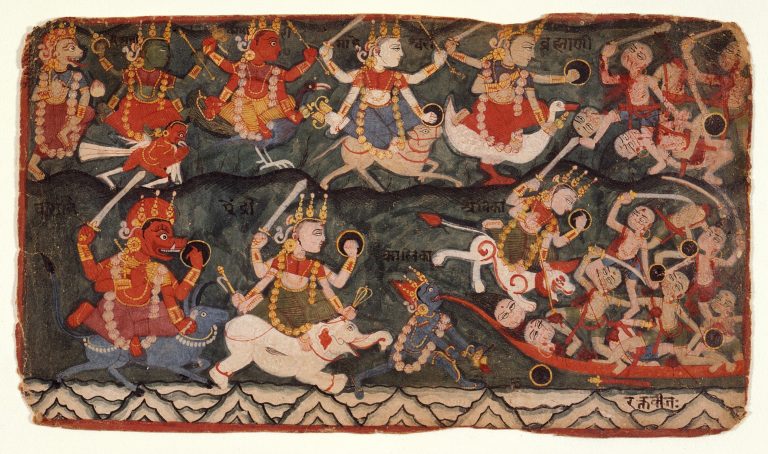
Welcome To The Devi Mahatmya Temple
Welcome to the Digital Temple dedicated to The worship of
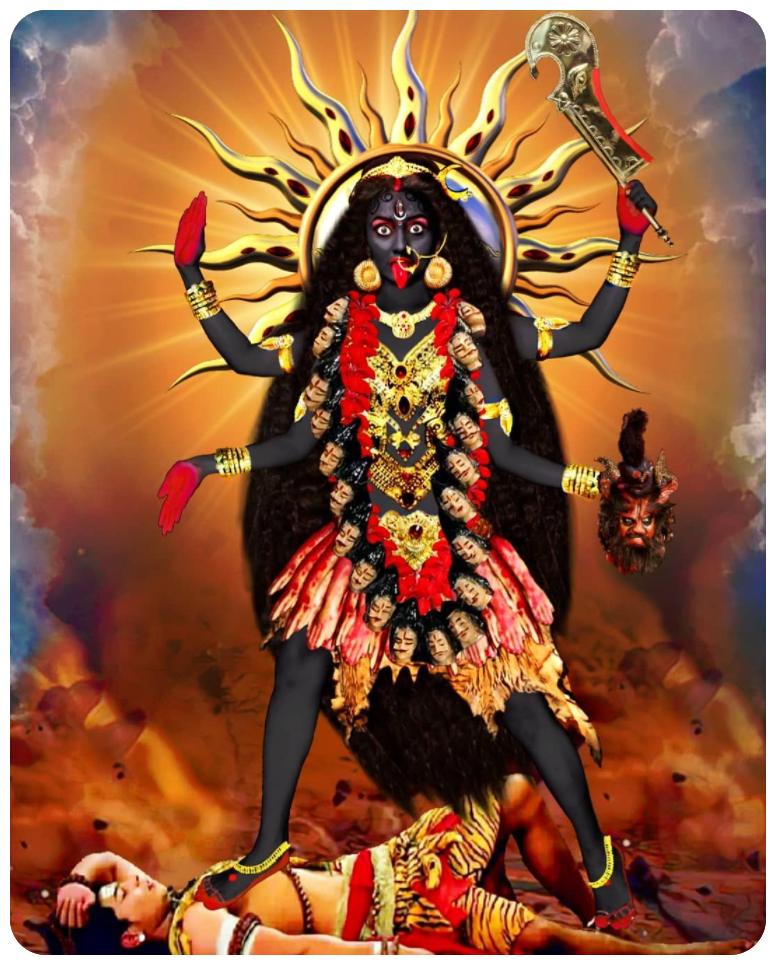
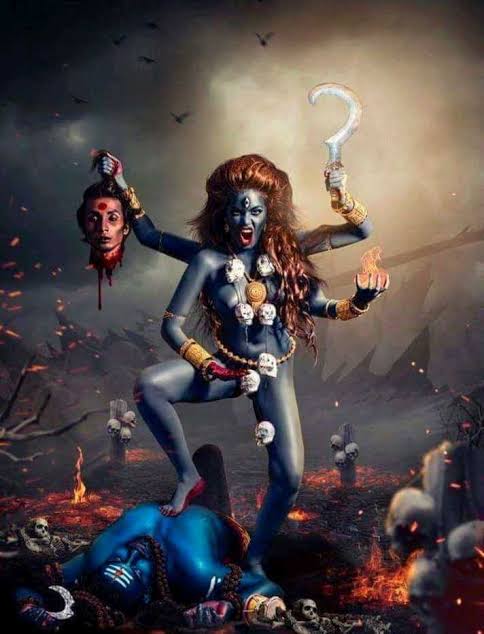
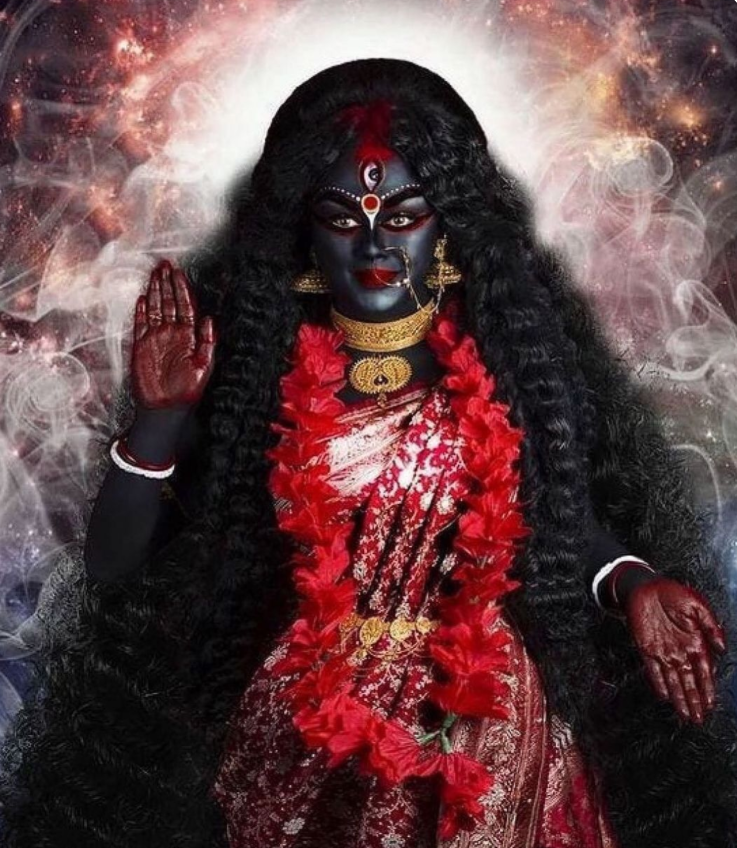
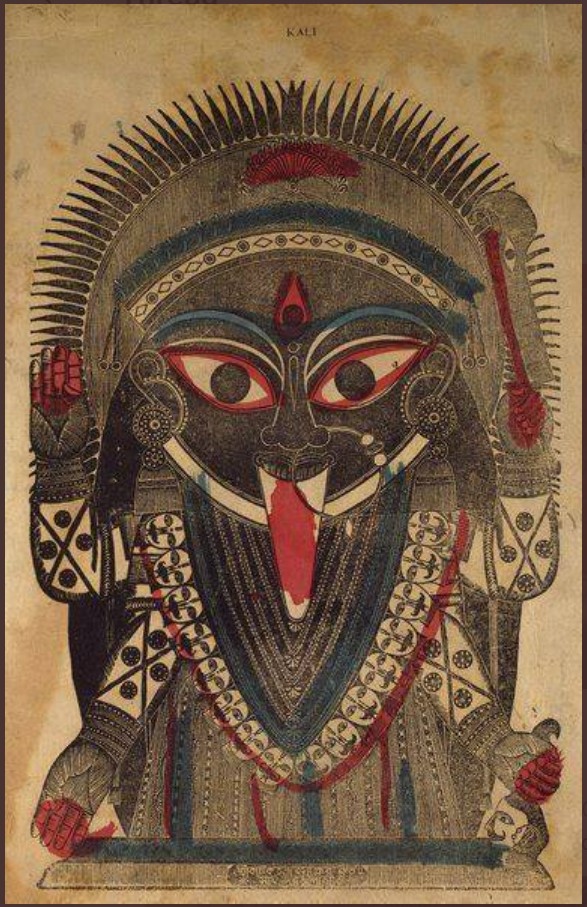
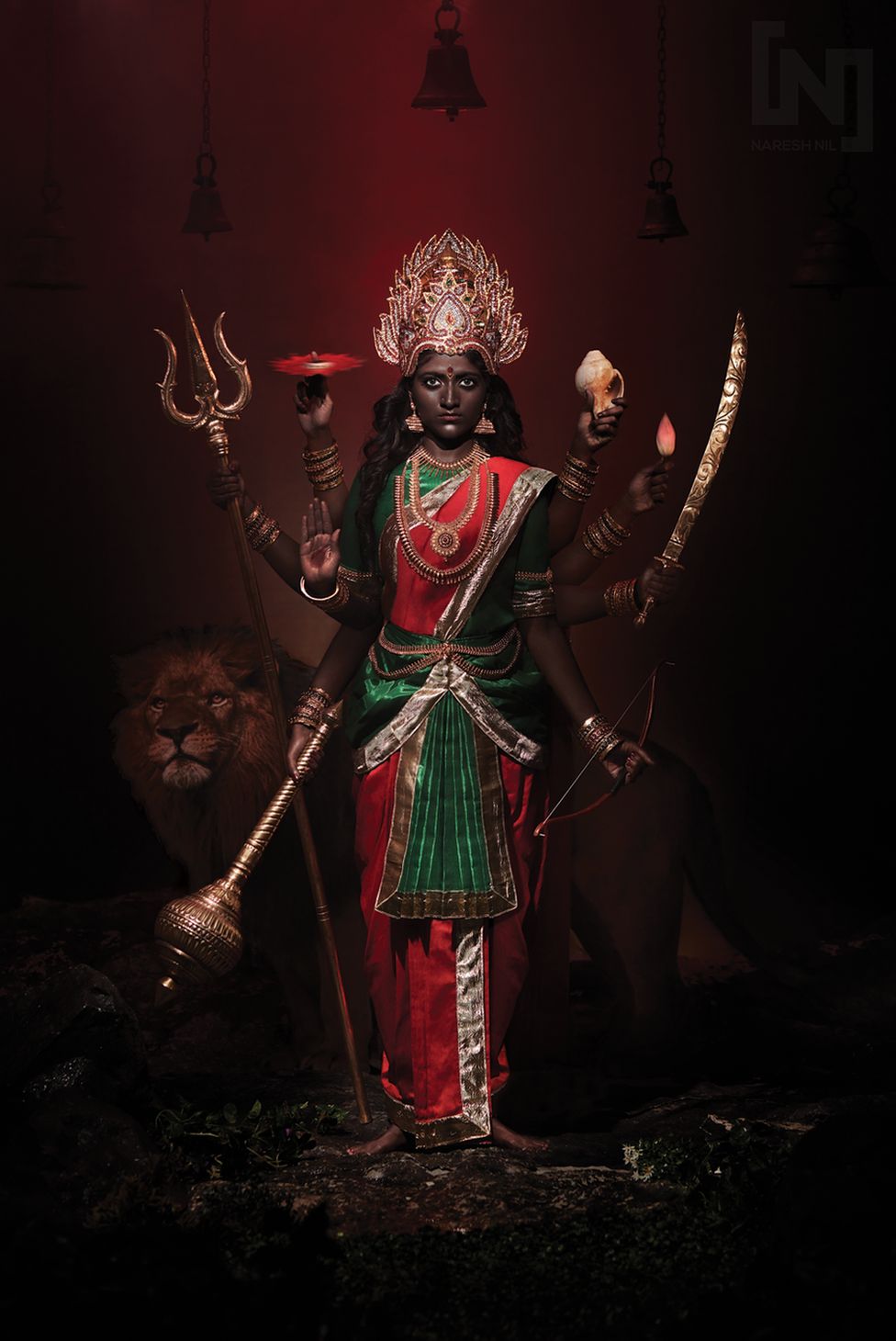
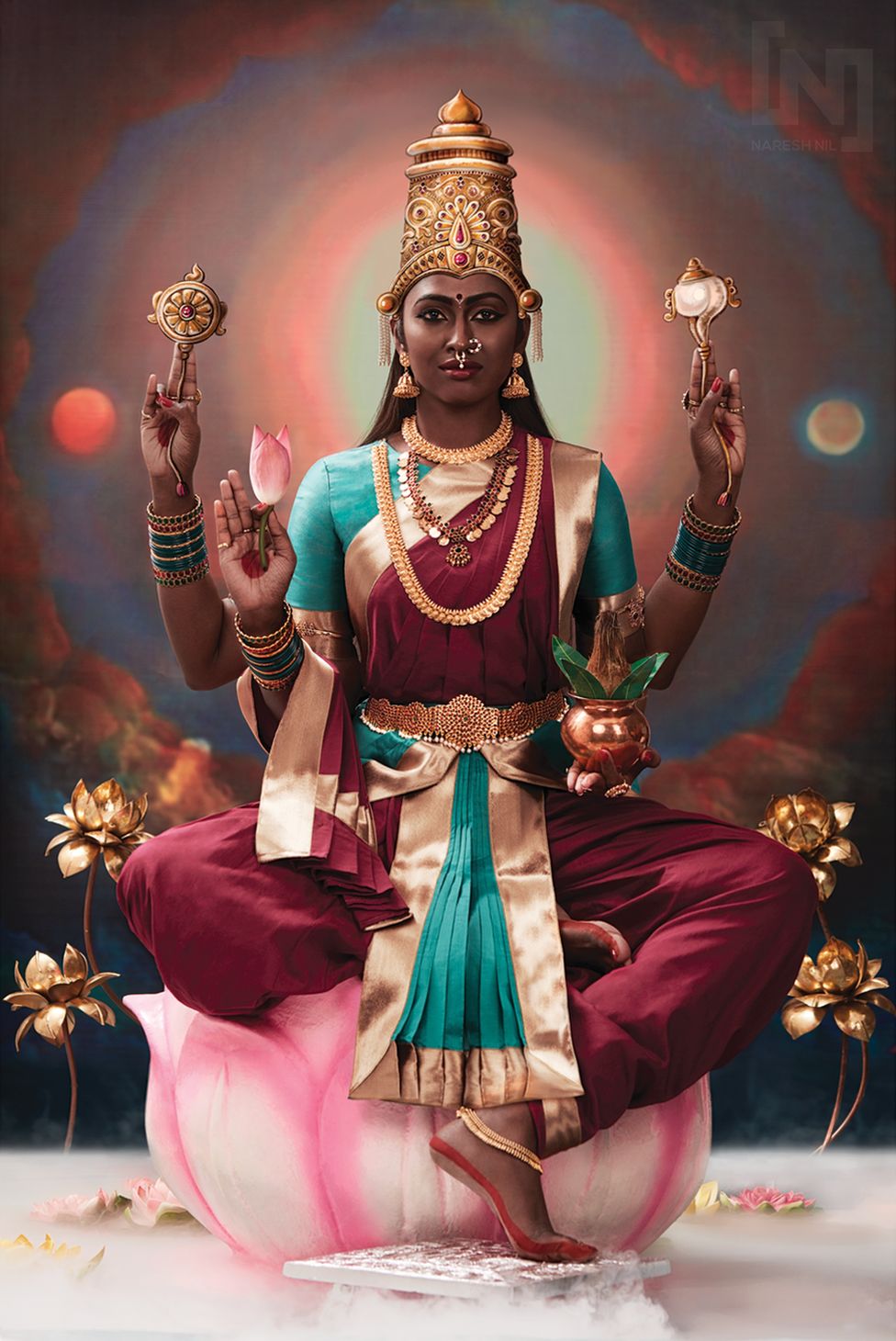
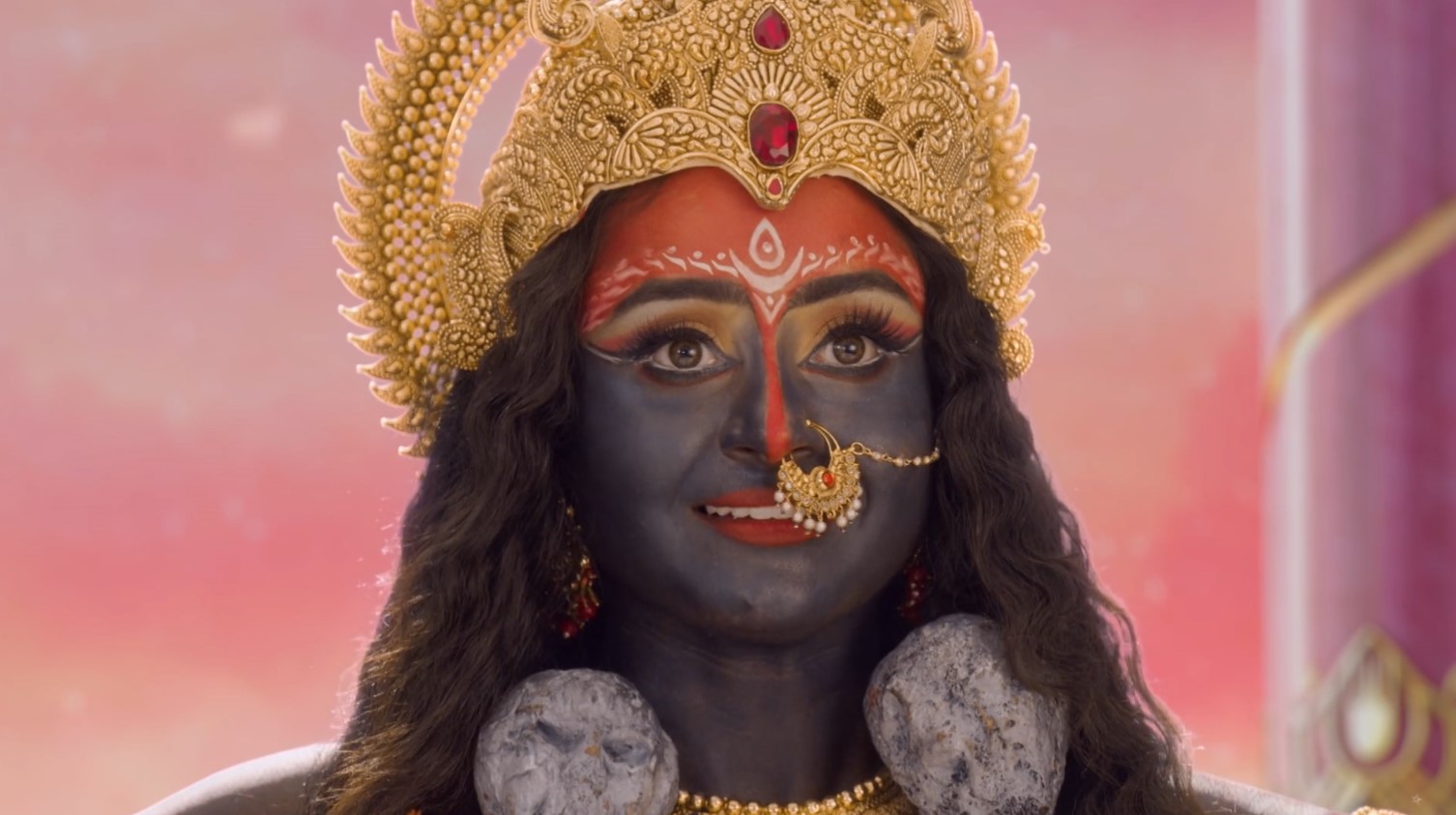
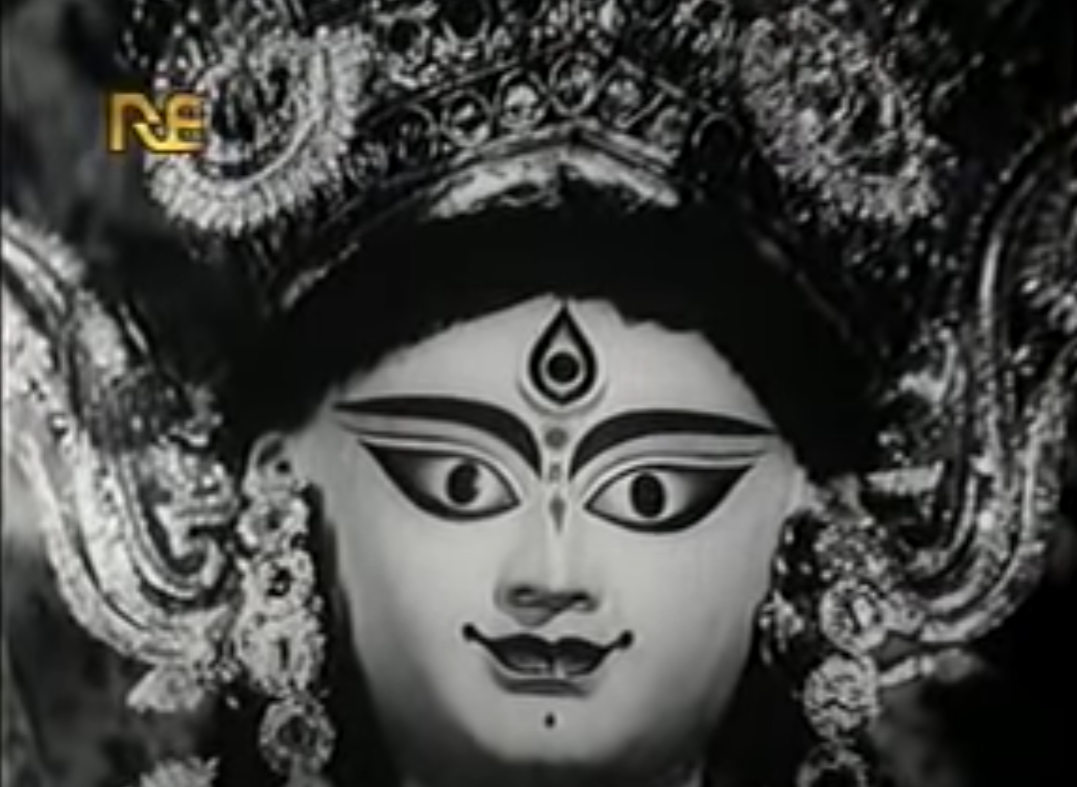
The Divine Mother, Divine Forms Maa Maha Kaali, Maa Durga, Maha Devi
The Divine Mother Is Known By Many Names, And Forms. It is the limitation of the devotees to Limit The Divine Mother To Any Specific Form. The Divine Mother Is Ever Abiding As All Forms, But Is NOT Limited To Any Form. Hence, The Divine Mother Is Most Popularly Referred To As Maa Aadi ParaShakti – The Most Ancient Source Of All Source. 🙏🙏🙏🙏🙏
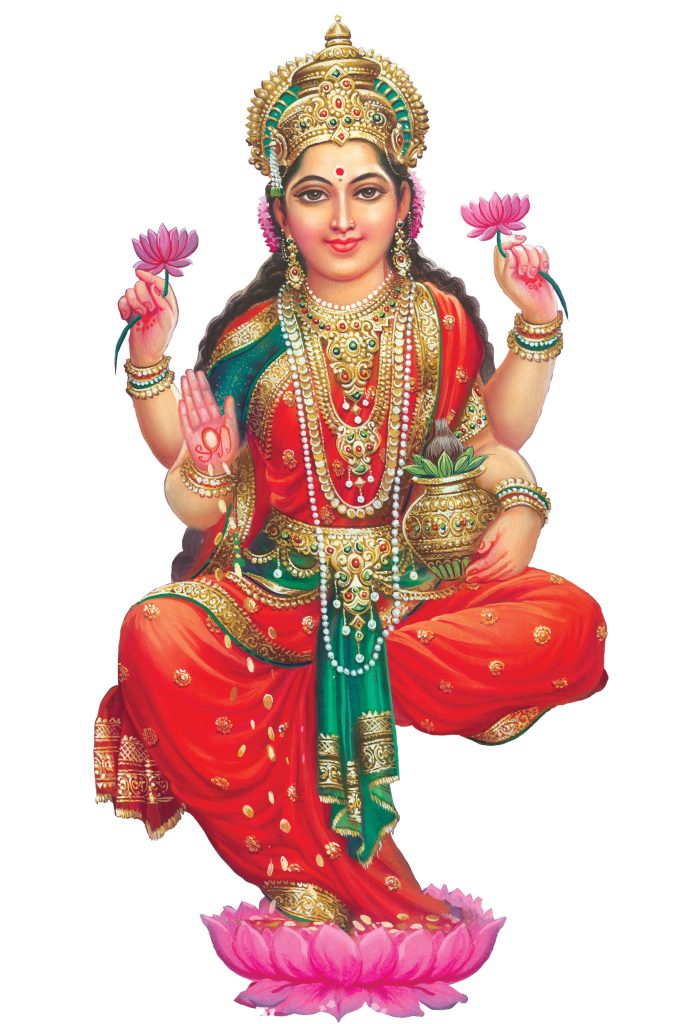
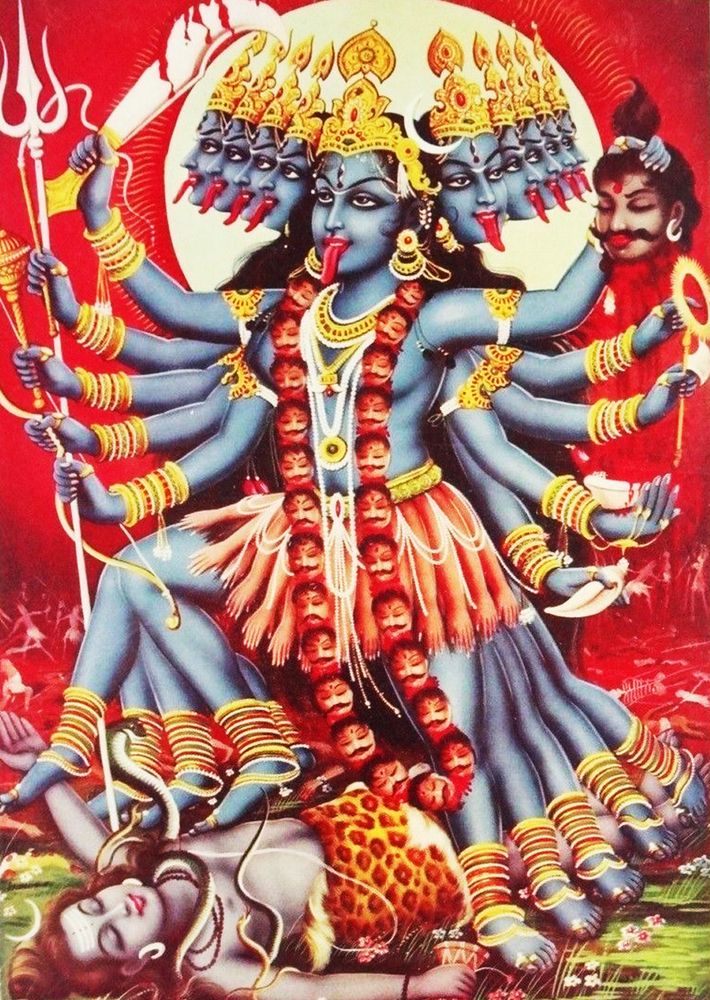
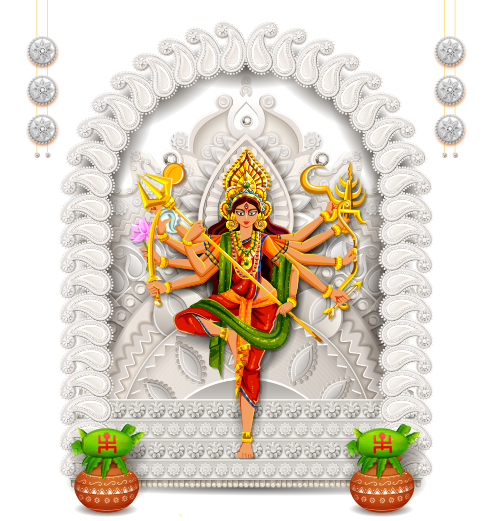
Learn more about The Divine Mother through the Texts of The Devi Mahatmya and more.
About "The Devi Mahatmya" book, part of the markandeya purana (also known as "Durga Saptashati" and "Chandi")
Traditionally the ‘Devi Mahatmyam’ is a portion of the Markandeya Mahapurana. The Devi Mahatmya is variously known as Sri Durga Saptashati, Sri Chandi or Saptashati. It is referred to as Saptashati asItcomprisesofsevenhundredmantras. The Devi Mahatmya is considered to be as important a scripture as the Bhagavad Gita by the Shakta Hindus.[19][20]
‘Devi Mahatmyam’ literally means ‘Glory of The Goddess’. Simply put the word ‘Devi’ means ‘Goddess’. While the word ‘Devi’ may be used to refer to any Goddess, here it is used to denote the Supreme Goddess adored as The Divine Mother of the entire universe. It is more popularly known as Chandi because it describes The Glory of The Goddess as Chandika,TheTerrible.
Whilst Its stories can be taken as metaphors relating to our own psycho-spiritual landscape as well the challenges we face in life, there isn’t a single approach to The Devi Mahatmyam or the Chandi. The various hymns to The Goddess in The Devi Mahatmyam inspire us to devotion for The Personal Forms of God as Mother while “its deeper, philosophical and esoteric interpretation leads us to the realization of God as the impersonal supreme reality”.
“The Devi Mahatmya” as MAHAMANTRA
“𝗧𝗵𝗲 𝗗𝗲𝘃𝗶 𝗠𝗮𝗵𝗮𝘁𝗺𝘆𝗮 𝗮𝘀 𝗔 𝗠𝗮𝗵𝗮𝗠𝗮𝗻𝘁𝗿𝗮 𝗻𝗼𝘁 𝗼𝗻𝗹𝘆 𝗽𝗿𝗼𝘃𝗶𝗱𝗲𝘀 𝘄𝗶𝘀𝗱𝗼𝗺 𝗯𝘂𝘁 𝗶𝗺𝗽𝗮𝗰𝘁𝘀 𝘁𝗵𝗿𝗼𝘂𝗴𝗵 𝗗𝗶𝘃𝗶𝗻𝗲 𝗩𝗶𝗯𝗿𝗮𝘁𝗶𝗼𝗻”
Though the Devi Mahatmyam constitutes chapters 81-93 in the Markandeya Purana, it is not merely treated as a part of a purana. Unlike the Purana that has the status of being an auxiliary limb (upanga) of the Veda, Devi Mahatmyam has attained the status of sruti, the very status accorded to the Veda. It has an intrinsic independent status by itself. It does not derive its significance from its Puranic background. It is a full-fledged scripture by itself. On one hand it is like a synthesis of many myths from many sources, skillfully integrated into a single narrative and thus incorporates the best of the puranic approach.
Part narrative and part hymn, The Devi Mahatmyam combines the strengths of both the oral and written traditions. On the other hand, it also displays the bardic style of the vedic approach, that combines the best of preliterate and literate strengths of expression, in so far as the hymns are concerned.
The Katyayani tantra considers each verse of The Devi Mahatmyam as A Mantra. Others consider everywordofTheTextisAMantra.
The whole text is treated like One Maha Mantra. Though three-fourths of the scripture deals with description of battles and their associated narratives, even these contents are considered to be mantras.
The actual number of verses in the text is only 518, not 700 as stated by some modern writers. The number 700 is thus not related to the number of verses, but indicates the total number of mantras in the Devi Mahatmyam. There are 537 sloka mantras (full slokas), 38 ardha-sloka mantras (half slokas), 66 khanda mantras (part of a sloka), 57 uvacha mantras and 2 punarukta mantras, thus totalling 700 altogether. The details of the break-up of the mantras are important for for Chandi Homa, Japa and Archana. Apart from these 700 mantras, there are other covert mantras within the text. At times mantras are encoded into the narrative.
Exploring the encoded mantras is possible only through an exclusive commentary written with the aim of exploring The Devi Mahatmyam as A Great Mantramaya Text.
“The Devi Mahatmya” contains Occult Knowledge
The Devi Mahatmyam is a highly occult text. “Only those who have inner eyes will perceive the hidden truths; others know not”. It is held that Markandeya the seer of this myth had seen the ever- existent glory of The Goddess with the inner eye. Sri Bhaskararaya named his commentary on the Devi Mahatmyam as ‘Guptavati’ thus denoting the hidden and highly occult nature of Devi Mahatmyam.
Sixteen centuries after its composition, The Devī Māhātmya still shines as a beacon from a primordial age when men and women, enchanted by nature’s beauty and abundance, yet terrified by its fierce, destructive power, honored The Source of Creation as The Great Mother.
Devi Mahatmya enshrines many an ancient memory in the resounding cadences of its verses and continues to sing Her Glory.
At the same time, as the last open expressions of Goddess-centered religion were vanishing from the Western world, The Devī Māhātmya took shape on the more tolerant soil of India, where the religion of The Divine Mother flourished and continues to flourish.
Even today, The Great Hymn of praise that is The Devī Māhātmya reveals an all-embracing vision of harmony between The Mahā Devi’s Abiding Earthly Presence and the transcendental unity as proclaimed by Sanatana traditions’ seers.