
The esoteric meaning of The Devi Mahatmya – the mahishashura myth
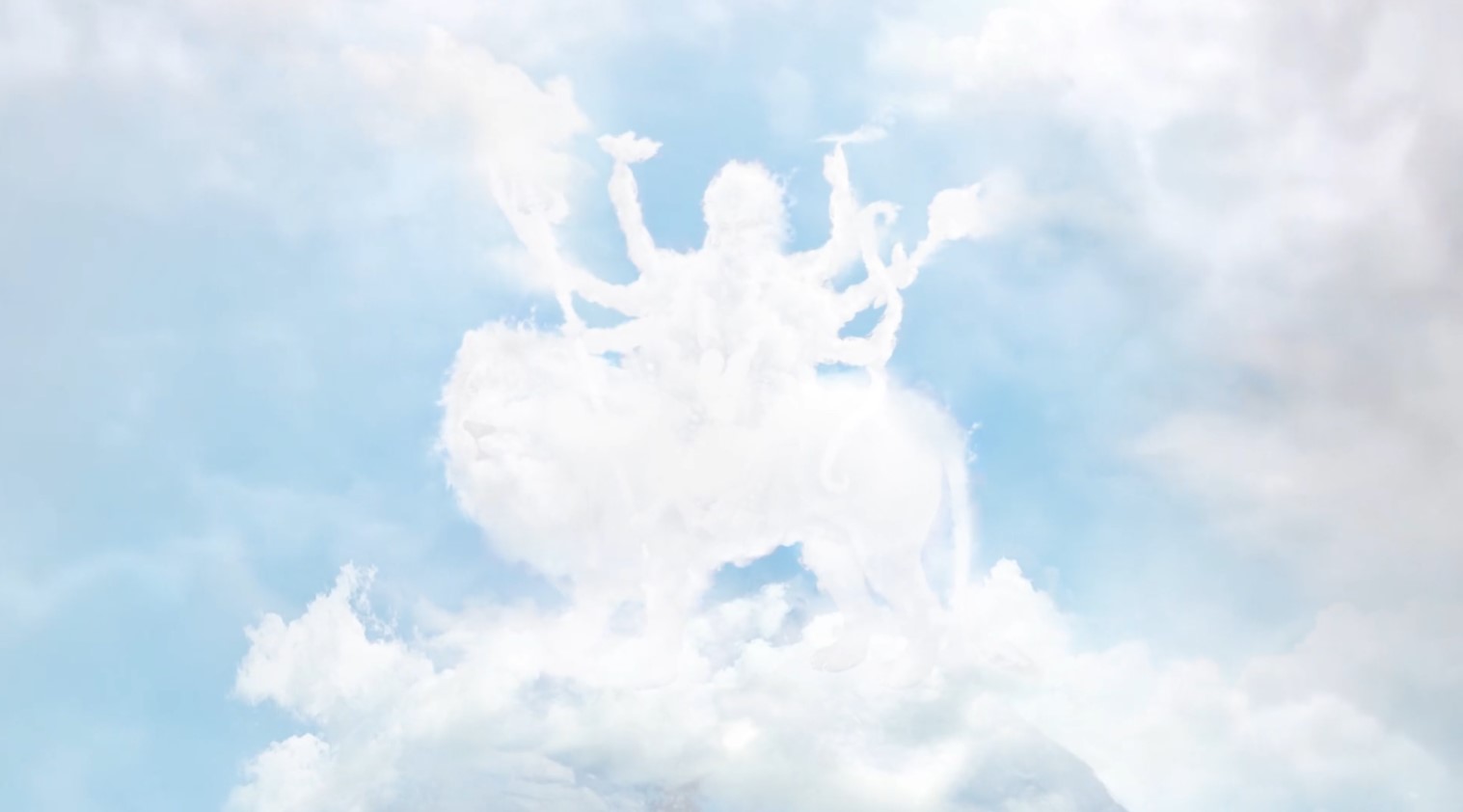
Second Episode-mahishasuramardhini myth This is the second episode where The Adi Sakti Manifests As The Devi Durga and Overcomes mahishasura, the buffalo headed demon

Second Episode-mahishasuramardhini myth This is the second episode where The Adi Sakti Manifests As The Devi Durga and Overcomes mahishasura, the buffalo headed demon

The Devi Mahatmya is variously known as Sri Durga Saptashati, Sri Chandi or Saptashati It is referred to as Saptashati as it comprises of seven
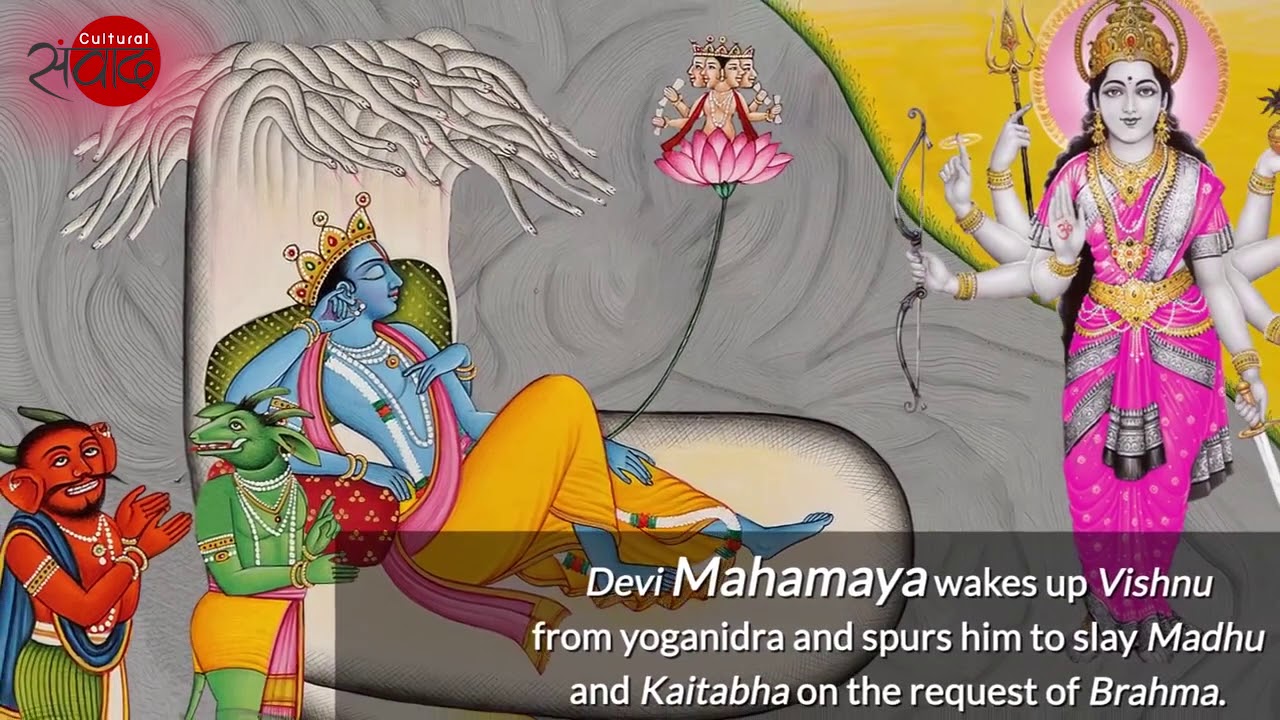
The first episode reveals the power of tamas, the power of delusion, how in ordinary state of being, humans are all deluded. The first episode

Though The Devi Mahatmya is seemingly a narrative of the battle between The Devi and the asuras, there is a deeper significance to these demons

The true significance of the main characters Suratha and Samadhi, with whom The Devi Mahatmyam begins and ends, is explained below. Suratha (a good chariot)

The king and the merchant are archetypal characters. We are all a bit like the king and the merchant. We all share their predicament. At some

Suratha is “one who has a good chariot” (su: good; ratha: chariot). The body is the chariot while the Self is the rider. “The Self is the rider, and
There is great significance of The Devi Mahatmyam or Saptashati from the level of inner psychic reality. The Devi Mahatmyam begins with Markandeya narrating how a virtuous king named Suratha, dispossessed of his kingdom

The Devi Mahatmyam describes an inner pilgrimage or tirtha yatra. This inner pilgrimage is graduated into three major phases, though there are other minor milestones within these three major
Myth is a very effective ancient way of teaching. What cannot be conveyed through philosophical discussions and logical debates can be transmitted more easily through